In Libya, Ramadan is more than just a month of fasting; it is an occasion when family bonds are renewed and original values are revived, reflecting the depth and cohesion of Libyan society.
Libyans begin preparing for Ramadan in the middle of Shaaban. They purchase all necessities, clean their homes, and buy raw materials to prepare sweets. Homes and mosques in Libya are decorated with colorful lanterns, and exhibitions are held to display the essentials of this blessed month. Families prepare a variety of dishes for the Ramadan table, depending on the region and city.
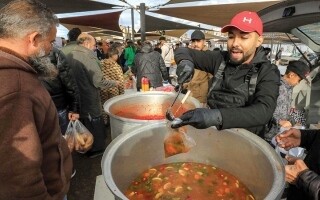
The Libyan table is distinguished by its variety of dishes between the east and west. Libyans break their fast with Libyan Shorba, a soup of meat broth and vegetables, along with fresh coriander, Brik, and various salads.
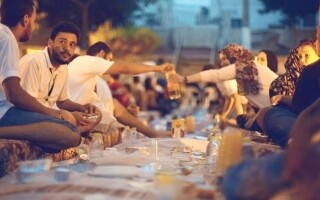
In some Libyan cities, folk games and late-night gatherings extend until the time of Suhoor. Charity also plays a prominent role during Ramadan, with campaigns to distribute food parcels and collective Iftar meals being organized, expressing the spirit of solidarity.
As Eid al-Fitr approaches, preparations for the holiday begin. Sweets are prepared at home, and new clothes are bought for children, turning Ramadan into a season of spiritual and social joy.
Among the famous Ramadan drinks are Tamar Hindi (hibiscus drink), Karkade, Qamar al-Din, and Jallab. Many Libyans go to mosques to perform the Isha and Taraweeh prayers, after which they head to the best night gatherings, which serve as a space for social interaction. Relatives and neighbors gather to exchange visits and drink Libyan heavy green tea, which is prepared with care and poured with its distinctive foam.
Green tea is a social ritual accompanied by traditional sweets such as Makroudh and Griha.